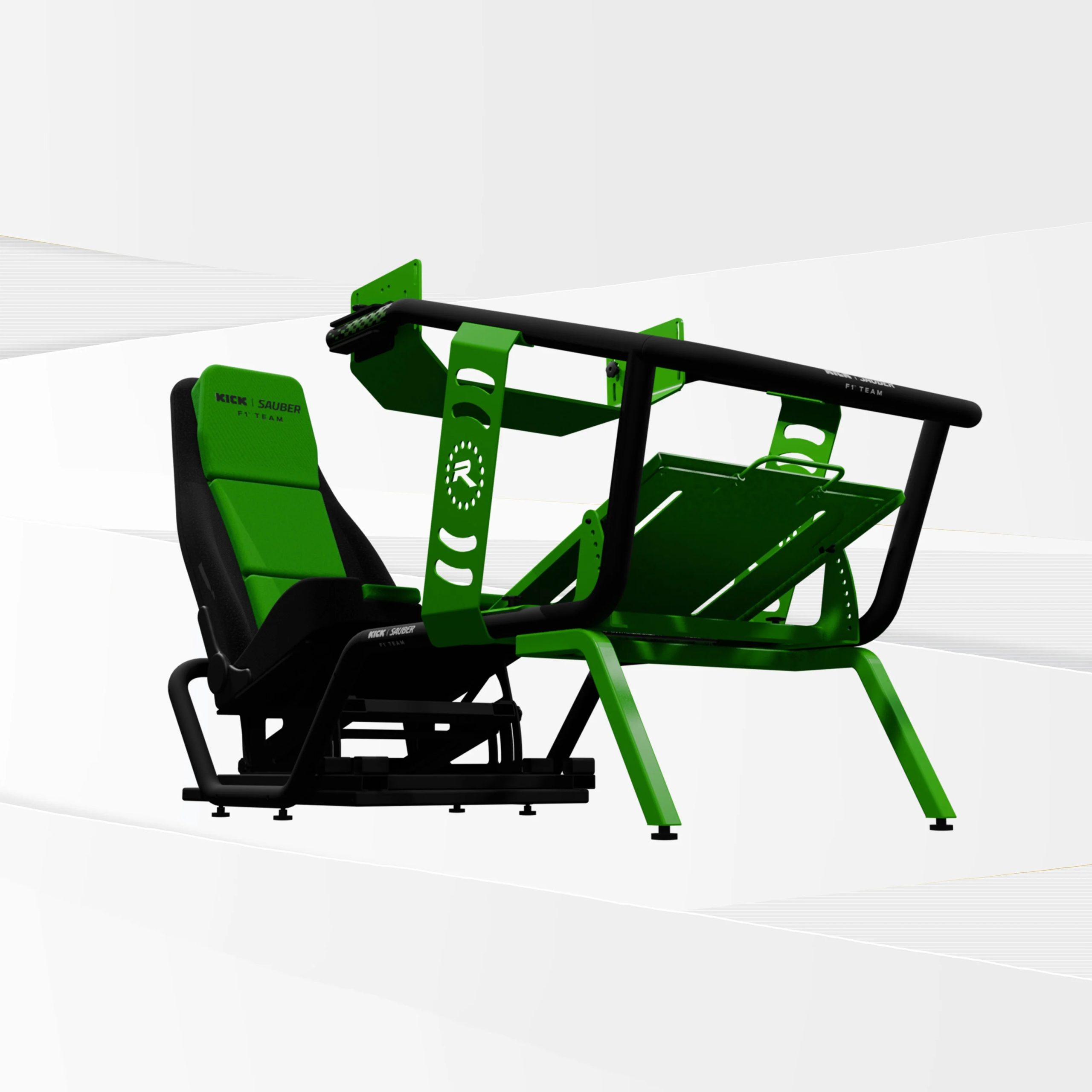
Overview of the Flight Sim Setup
For enthusiasts, building a functional flight sim cockpit means focusing on core elements that create immersion without breaking the bank. A solid frame, comfortable seating, and adjustable mounts form the foundation, enabling long sessions without fatigue. Visual fidelity comes from a reliable monitor or screen array, paired with a credible flight deck Flight Simulator Cockpit layout that mirrors real-world ergonomics. The aim is to blend accessibility with credible feedback, so beginners can learn quickly while seasoned pilots appreciate the subtle realism that makes practice meaningful. Proper cable management helps keep the workspace calm and efficient when complex scenarios unfold.
Ergonomics and Control Layout
Comfort and efficiency hinge on thoughtful ergonomics. Positioning the throttle, stick, and pedals in a natural arc reduces strain and speeds up response times. A compact, modular design allows changes as skills grow, and a clean desk area prevents clutter from disrupting focus. The control layout should mimic a real cockpit’s flow, where each instrument and switch aligns with expected tasks. Practitioners benefit from a clear alignment of eyes to screen, ensuring instrument panels remain legible and actionable during flight rehearsals.
Visuals and Instrument Fidelity
Visual realism starts with good resolution and a stable frame rate, supporting clear horizons and accurate spatial cues. A wide viewing angle helps when turning the head to check altimeter readings or navigation displays. Instrument readability is boosted by high-contrast panels and backlighting that remains comfortable in varied lighting conditions. Realistic weather effects and lighting transitions add depth, while careful colour calibration keeps gauges legible under diverse scenarios, preventing misreads during critical moments of training and exploration.
Firmware and Software Integration
Seamless integration between hardware and software is essential for reliable performance. Supported drivers should be up to date, with the ability to map each physical control to its virtual counterpart accurately. Community profiles often provide ready-made setups that speed up configuration, though fine tuning is usually necessary to align spring rates, detents, and sensitivity curves. Regular maintenance, including firmware checks and backups of custom profiles, helps avoid drift that can derail training sessions and reduce overall confidence in the simulation.
Realism vs Accessibility
Many pilots seek a balance between authentic feedback and approachable learning curves. Beginners benefit from adjustable difficulty and guided tutorials, while experts may crave advanced avionics and precise throttle response. This balance is achieved through scalable features, modular equipment, and a well-documented setup guide that covers calibration, safety checks, and upgrade paths. The aim is to create a credible, user-friendly environment where mistakes become learning opportunities rather than frustration.
Conclusion
In developing a cockpit-style experience, the focus is on practical steps that deliver consistent, repeatable results. With careful planning, you can assemble a setup that feels authentic without overwhelming complexity. Visit GTR Simulator for more resources and insights as you refine your space and expand your toolkit, keeping the process enjoyable and informative.