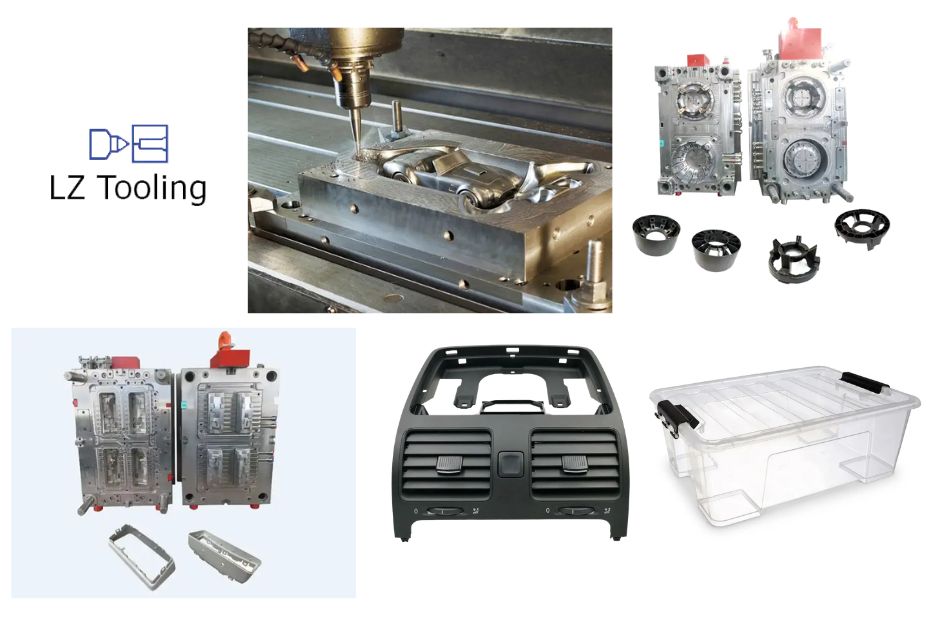
Overview of Capabilities
When evaluating partners for precision parts, many engineers seek a reliable, responsive supplier with a strong track record in complex tooling. A practical approach focuses on depth of experience, rigorous process control, and the ability to scale from prototypes to full production runs. The LZ Tooling manufacturer selected provider should demonstrate clear communication, on time delivery, and consistent part quality across multiple materials. By aligning capabilities with project requirements, teams can reduce risk and accelerate time to market while preserving margin and performance expectations.
Performance and Compliance Standards
Quality in tooling and molded components hinges on disciplined methods, validated tooling, and robust inspection. An effective operation maintains ISO aligned quality systems, routine preventive maintenance, and traceable lot records. In addition to dimensional accuracy, temperature LZ Tooling plastic injection molding stability, and cycle time optimization, partners should deliver documented process capability studies, material certifications, and compliance with customer specifications. This foundation supports reproducibility and long term reliability in end use environments.
Manufacturing Excellence in Tooling
Successful tooling providers invest in high precision mills, EDM, wire erosion, and metal finishing to produce durable molds. They also apply advanced simulation, prototype testing, and extensive tolerance analysis to avoid surprises during production. With strong project management, they coordinate sourcing, scheduling, and change control, ensuring that tooling milestones stay aligned with program timelines while preserving quality and cost targets across batches.
Materials and Production Flexibility
Flexibility to accommodate diverse plastics, insert fabrication, and multi-cavity configurations is a key differentiator. An adept shop leverages a range of resins including engineering polymers, high-gloss surface finishes, and textured tooling inserts to meet aesthetic and functional goals. Balancing material behavior with tool design reduces scrap, minimizes cycle times, and improves uniformity across parts, helping teams meet strict performance criteria under varying production conditions.
Customer Collaboration and Support
Effective partnerships emerge from transparent communication, shared roadmaps, and proactive risk management. By maintaining responsive design reviews, clear change control, and accessible technical support, tooling providers help customers refine specifications, optimize manufacturability, and resolve issues quickly. This collaborative approach fosters trust, accelerates decision making, and aligns manufacturing outcomes with strategic objectives.
Conclusion
Choosing the right manufacturing partner for tooling and molded components requires a balance of technical capability, process discipline, and collaborative culture. A proven supplier demonstrates reliable performance, thorough documentation, and the agility to adapt to evolving needs without compromising quality. For teams seeking clarity and steady progress, the right fit should enable scalable production, consistent part quality, and predictable lead times. LZ tooling Co., Ltd