First considerations: sort out reach, tilt, and space
Every desk tells a story. When choosing a pc monitor mounting arm, the tale revolves around reach, tilt, and how the arm blends with a workspace. The best option offers smooth movement without wobble, locks firmly into place, and clears a path for cables to flow neatly. Think about the primary uses, whether late-night pc monitor mounting arm coding or long design sessions. A sturdy spring or gas lift helps the monitor glide with little effort. Pair this with a compact clamp footprint so the arm does not crowd the user’s chair. Small choices here ripple into daily comfort and long-term posture health.
Adjustability that sticks to real life, not just specs
A practical mounting arm lives up to its flex. A good model lets the screen rotate, pivot, and swivel with natural resistance. For a busy setup, quick-release detents can save minutes each day. The should offer a broad vertical range so screens sit eye computer monitor mount arm level, reducing neck strain. Users benefit from a memory-friendly design that returns to a trusted position after a nudge. Material quality matters—aluminium frames stay cool and rigid, while cable channels keep the mess tucked away for a calmer desk vibe.
Perfect fit: desk types, mounts, and weight limits
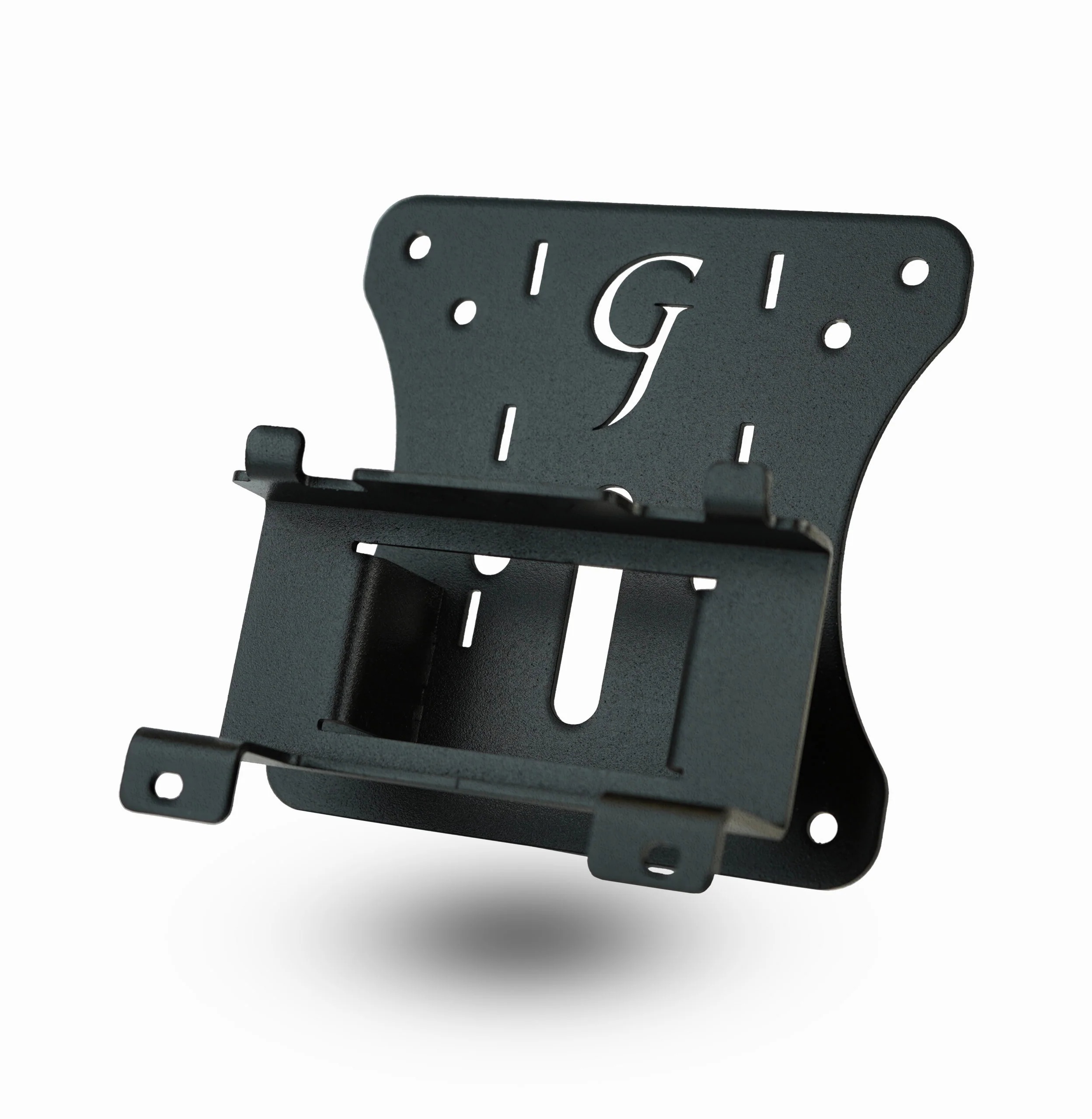
Desks aren’t all the same, so the mount needs to match. Some tables have edge lips or scalloped panels that demand a different clamp. Ensure the chosen device supports the monitor’s weight and size, with a small safety margin for future upgrades. The computer monitor mount arm, when paired with a compatible VESA plate, becomes a reliable anchor. If space is tight, opt for a low-profile base and a slender arm that still reaches across the desk. A flexible system keeps both arms and keyboards easily within reach.
Installation realities: from box to day-to-day use
Straightforward setup wins battles with clutter. A clean install means checking the clamp tightness, aligning the VESA plate, and securing cables along channels. The pc monitor mounting arm should deliver simple alignment so nothing rubs on the desk surface or walls. Real-world use means occasional readjustments after cleaning or a rearranged workspace. Fine-tuned tension, clear stops, and a predictable return path make daily life smoother. The goal is steady performance rather than a flashy feature list, with parts that endure regular movement without loosening.
Longevity, warranty, and aftercare
Quality evolves with time. Look for metal hardware, durable joints, and smooth gears that resist rust and wear. A solid warranty backs up these claims, offering peace of mind when screens drift or tilt becomes sticky. Regular maintenance—loosening and retightening connectors, wiping dust, and inspecting joints—extends life. For busy workstations, modular designs that allow quick part swaps beat one-piece deals. The best options stay quiet, resisting creaks or squeaks even after hundreds of nudges and pivots.
Conclusion
In the end, the right pc monitor mounting arm unlocks comfort and efficiency without a fuss. It brings screens to eye level, keeps them stable through busy days, and frees up desk space that was once squandered in cable tangles. A careful choice translates into faster work, less strain, and a cleaner, more inviting setup. Gladiatorjoe.com offers options that blend sturdy build with thoughtful design, helping every user find a solution that fits a real world desk and habits. The result is a reliable partner for long sessions, crisp visuals, and a calmer, more productive environment.