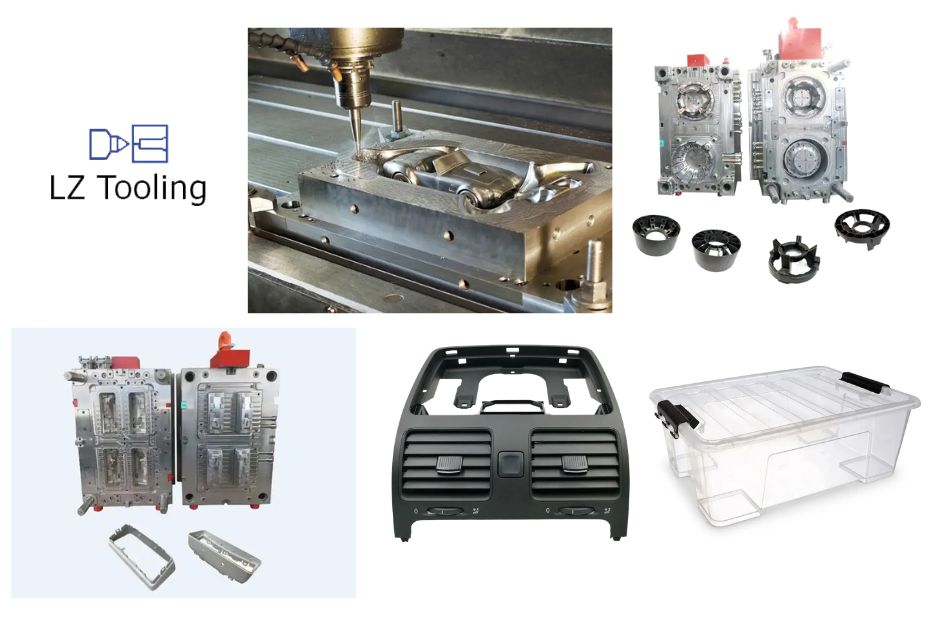
Overview of production needs
When a business faces tight timelines, selecting a capable partner for product development is essential. Companies seek dependable processes, material choices, and consistent quality to reduce iteration cycles. A practical approach involves aligning design feasibility with rapid tooling, scalable production, and clear communication channels. This section discusses how a structured plan can minimize risk, shorten service for rapid plastic product manufacturing lead times, and improve overall project visibility. The goal is to ensure every step from concept to final part is efficient, reproducible, and cost effective for long term operations. service for rapid plastic product manufacturing is a strategic fit for teams prioritizing speed without compromising performance.
Design to ensure manufacturability
Design for manufacturability is a core discipline that influences speed and cost. Engineers focus on wall thickness, radii, and tolerances to avoid late-stage changes. Early collaboration with tooling experts helps identify potential bottlenecks and material behaviors under different production methods. By aligning CAD Click for more information models with production capabilities, teams can anticipate challenges and resolve them before tooling is finalized. A practical plan includes design reviews, material selection, and process simulations to validate the intended function and fit of each component.
Materials and process selection
Material choice drives performance, weight, and durability, but it also affects cycle time and tooling complexity. Thermoplastics offer a broad balance of strength and ease of processing, while specialized resins may be required for high temperature or chemical resistance. Process selection—whether injection molding, extrusion, or rapid prototyping—depends on part geometry, volume, and end-use requirements. This section outlines how to weigh cost, lead times, and post-processing needs to achieve a reliable, repeatable outcome for diverse applications.
Quality control and scalability
Quality control plans should integrate inline inspection, statistical process control, and robust test protocols. Early definition of dimensional tolerances and functional criteria helps ensure parts meet specifications across batches. Scalability comes from modular tooling, repeatable setups, and supplier alignment. By establishing a reliable production rhythm, teams can transition from prototyping to full-scale manufacturing with predictable timelines and reduced risk of rework, ensuring a steady supply of components for market or internal use. Click for more information about these practices and how to apply them in your workflows.
Operational readiness and risk management
Operational readiness focuses on logistics, equipment maintenance, and workforce training. A proactive risk assessment highlights potential disruptions, from material shortages to machine downtime, enabling contingency planning. Documentation, standard operating procedures, and clear communication protocols support a smooth handover from engineering to manufacturing. This section emphasizes how to maintain schedule integrity while preserving quality. It also notes the importance of partnering with experienced vendors who can adapt to evolving design requirements and production targets, especially when speed is critical and timelines are tight. Click for more information to explore these readiness strategies.
Conclusion
Efficient pathways for producing plastic parts rapidly hinge on strong collaboration, clear criteria, and disciplined process discipline. By combining thoughtful design, material and process choices, and rigorous quality control, teams can achieve fast, reliable results. LZ tooling Co., Ltd