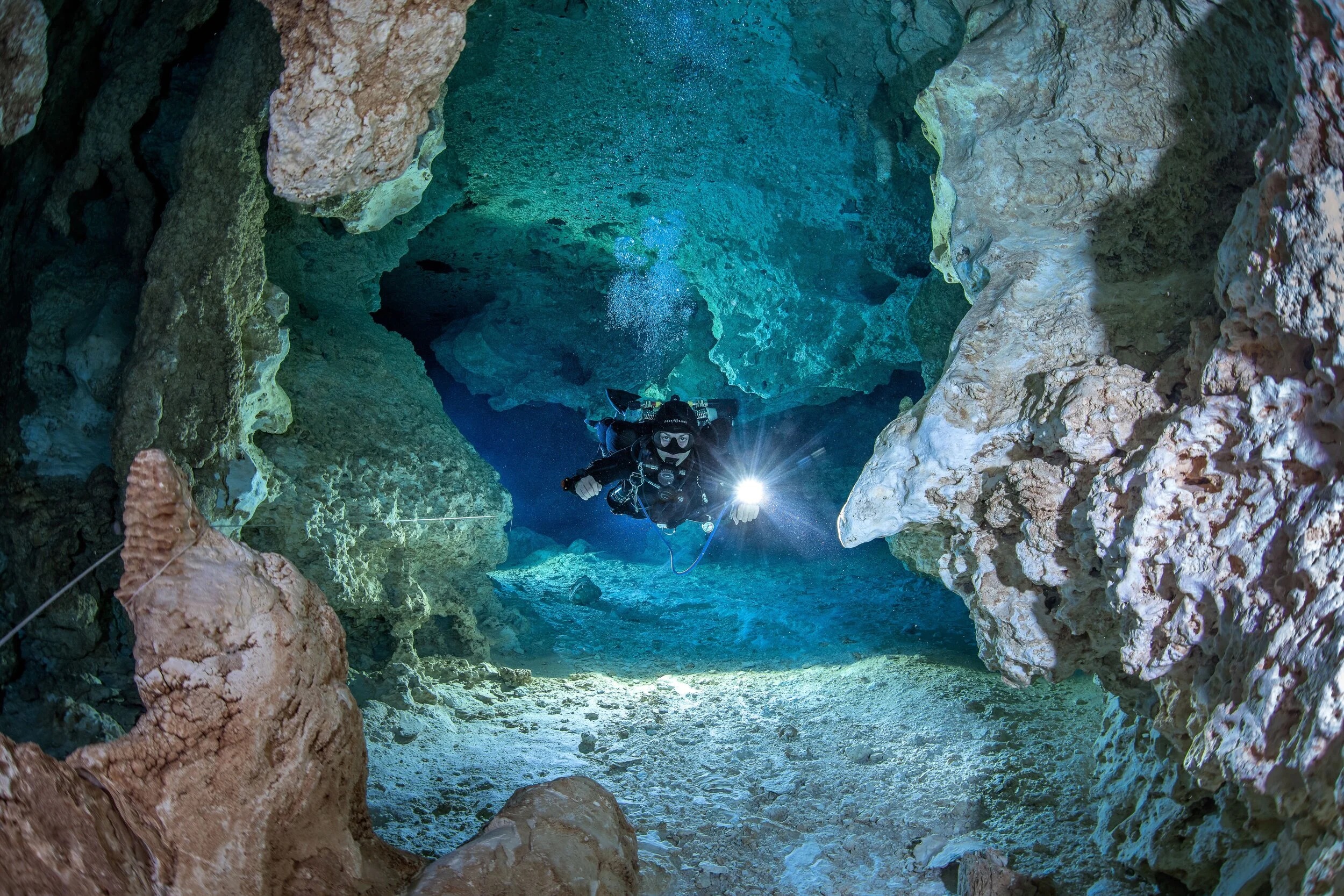
Guidance for beginners
Embarking on cavern diving requires careful planning, patient ascents, and respect for delicate cave systems. Start with a certified course that covers line handling, gas management, and emergency procedures. Practice buoyancy control in open water before venturing into more constrained passages, and always dive with a buddy who is equally trained. A focused cavern diving mindset helps you avoid overconfidence and reduces the risk of silt, which can obscure visibility. Pack redundant lights and a dependable backup air source, and map your exit routes before entering any cavern. This discipline makes the experience safer and more rewarding for everyone involved.
Equipment and safety checks
The right equipment is essential for cavern diving, where visibility and complexity can change rapidly. Use a reliable scuba system with a properly sized line, reels, and a clear backup air plan. Regularly inspect seals, regulators, and lighting before every session, and keep spare parts on hand for common issues. Gas management is critical in cavern environments; never exceed your planned ducted limits, and always know your remaining air. Mindful checks reduce the chance of equipment failure becoming a safety concern underground.
Environmental awareness and ethics
Respect for cave habitats is a fundamental part of cavern diving. Maintain neutral buoyancy to avoid contact with delicate formations and wildlife, and follow established lines carefully to protect fragile sediments. Always obtain permission where required and avoid touching the rock walls, speleothems, or flora. The most meaningful dives are those conducted with minimal impact, where future divers can enjoy the same pristine surroundings. Being conservative with penetration depth also helps preserve the cave for long-term study and exploration.
Planning for any cave trip
Thorough preparation extends beyond the dive itself. Review local regulations, weather patterns, and potential rescue resources. Create a gas plan that accounts for contingencies, including delays and deviations, and rehearse it with your partner before you enter the water. Keep a log of recent training and recent dive experiences to stay sharp, and ensure your navigation skills are up to date. A steady, methodical approach pays dividends when complex passages require precise timing and teamwork.
Conclusion
In cavern diving, preparation, discipline, and teamwork are your best tools. By combining solid training with careful planning, you build confidence and reduce risk while exploring underwater caves. Remember to keep learning and practicing in controlled settings, and share insights with fellow divers to raise safety standards across the community. Visit Go Dive Mexico for more insights and resources that align with responsible exploration.